Making Health Information Accessible
Health education is not just one of PASOR's programs—it's central to our mission. We believe that every Pakistani American family in Rochester deserves access to accurate, culturally relevant health information that empowers them to make informed decisions about their wellbeing.
Our commitment to health education addresses a critical need. South Asian populations face elevated risks for certain conditions, yet cultural and systemic barriers often prevent families from accessing preventive care and health information.
Why Health Education Is a Priority
Several factors make health education essential for our community:
Health Disparities: Pakistani Americans face higher rates of diabetes, heart disease, and certain cancers. Education helps address these disparities.
Cultural Barriers: Stigma, modesty concerns, and unfamiliarity with American healthcare can prevent families from seeking care.
Language Challenges: Medical terminology is complex; having information presented by community members increases understanding.
Prevention Focus: Many serious conditions are preventable or manageable with early intervention—if people know what to watch for.
PASOR's health education initiatives directly address these challenges. Learn more about why community health education matters.
Our Approach to Health Education
PASOR delivers health education through multiple channels:
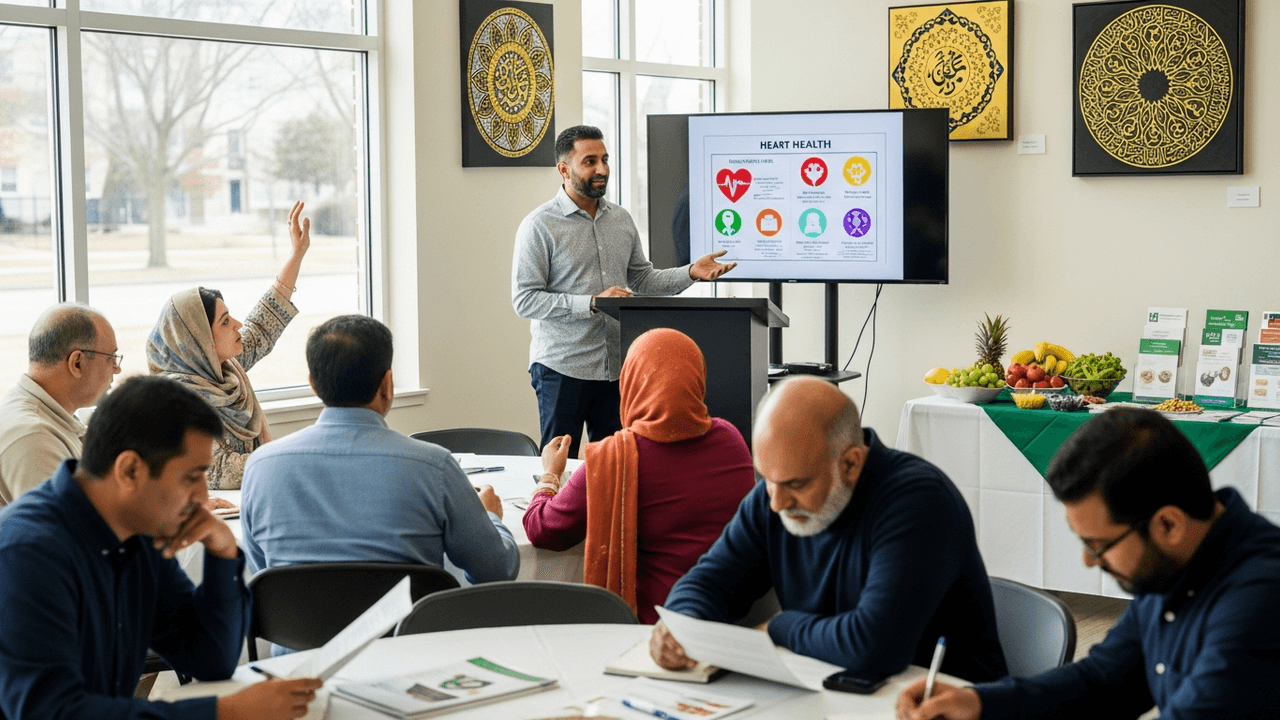
Seminars and Workshops: Expert-led sessions on topics like cancer awareness, diabetes prevention, heart health, and mental wellness.
Health Fairs: Community health events combining screenings, education, and resource connection.
Expert Panels: Medical professionals from our community share their expertise in accessible formats.
Written Resources: Educational materials in English and Urdu distributed at events and through community channels.
Digital Content: Online resources that community members can access anytime.
Cultural Sensitivity in Health Education
Our health education is designed with cultural sensitivity:
Community Presenters: Health information delivered by Pakistani American healthcare professionals who understand cultural context.
Appropriate Settings: Education delivered in comfortable community settings, not clinical environments.
Gender Considerations: Women's health topics presented by female providers; separate sessions when appropriate.
Family Context: Recognition that health decisions in Pakistani families often involve multiple family members.
Religious Awareness: Sensitivity to Islamic practices around health, fasting, and end-of-life issues.
Topics We Address
PASOR's health education covers a comprehensive range of topics:
Cancer Education: Understanding risk factors, screening recommendations, and early warning signs. We've addressed breast cancer, lung cancer, colon cancer, and prostate cancer.
Cardiovascular Health: Heart disease prevention, blood pressure management, and cholesterol awareness.
Diabetes: Prevention, management, and lifestyle factors—particularly important given elevated rates in South Asian populations.
Mental Health: Breaking stigma around mental wellness, recognizing signs of depression and anxiety, and accessing care.
Women's Health: Reproductive health, maternal health, menopause, and gender-specific conditions. See our women's health programs.
Men's Health: Prostate health, cardiovascular risks, and barriers men face in seeking care. Learn about men's health initiatives.
Children's Health: Childhood immunizations, nutrition, developmental milestones, and school health.
Senior Health: Age-related conditions, medication management, and maintaining quality of life.
The Medical Volunteer Network
Central to our health education is a network of volunteer healthcare professionals:
Doctors: Physicians across specialties donate time to speak, answer questions, and provide guidance.
Nurses: Nursing professionals assist with screenings and provide practical health education.
Specialists: Experts in specific areas provide deep knowledge on complex topics.
Learn how doctors prepare for community health seminars and the dedication they bring.
Dispelling Health Myths
An important aspect of health education is correcting misinformation. Health myths common in South Asian communities can lead to delayed care and poor outcomes. PASOR addresses these myths directly, providing accurate information to replace dangerous misconceptions.
Connecting Education to Action
Knowledge alone doesn't improve health—action does. PASOR's education programs connect to action:
Screening Follow-Through: After explaining the importance of screenings, we provide resources for getting screened.
Provider Referrals: Connections to healthcare providers who can address identified concerns.
Lifestyle Support: Resources for making recommended lifestyle changes—nutrition guidance, exercise programs, smoking cessation.
Ongoing Support: Follow-up education and support to maintain healthy changes.
Measuring Impact
We track the impact of our health education:
Attendance: Numbers of community members reached through various programs.
Knowledge Improvement: Pre- and post-event surveys assessing knowledge gain.
Behavior Change: Follow-up tracking of screening rates and health behaviors.
Health Outcomes: Long-term monitoring of community health indicators.
Partnerships That Strengthen Education
PASOR partners with healthcare organizations to enhance our educational capacity:
Local Hospitals: Rochester's healthcare institutions provide speakers, materials, and screening resources.
Professional Associations: Medical societies connect us with expert presenters.
Health Departments: Public health resources complement our community-based education.
National Organizations: Connections to Pakistani American medical associations and national health campaigns.
Your Role in Health Education
Community members can support and benefit from health education:
Attend Events: Take advantage of health awareness events to learn and get screened.
Share Knowledge: Pass along health information to family and friends.
Ask Questions: Don't hesitate to ask healthcare professionals questions at events.
Volunteer: Healthcare professionals can volunteer their expertise; others can help organize events.
The Future of PASOR Health Education
We continue to expand and improve our health education programs:
New Topics: Addressing emerging health concerns and requests from community members.
Expanded Reach: Using technology to reach more people, including those who can't attend in-person events.
Deeper Integration: Connecting health education with other PASOR programs for holistic family support.
Research Participation: Opportunities for community members to participate in health research.
Get Involved
Health education is a community effort. Join PASOR to access our health programs and contribute to community wellness.
Learn how to get involved with PASOR and discover why joining PASOR benefits your family's health.
Together, we can build the healthiest possible future for Pakistani Americans in Rochester.