From Idea to Reality
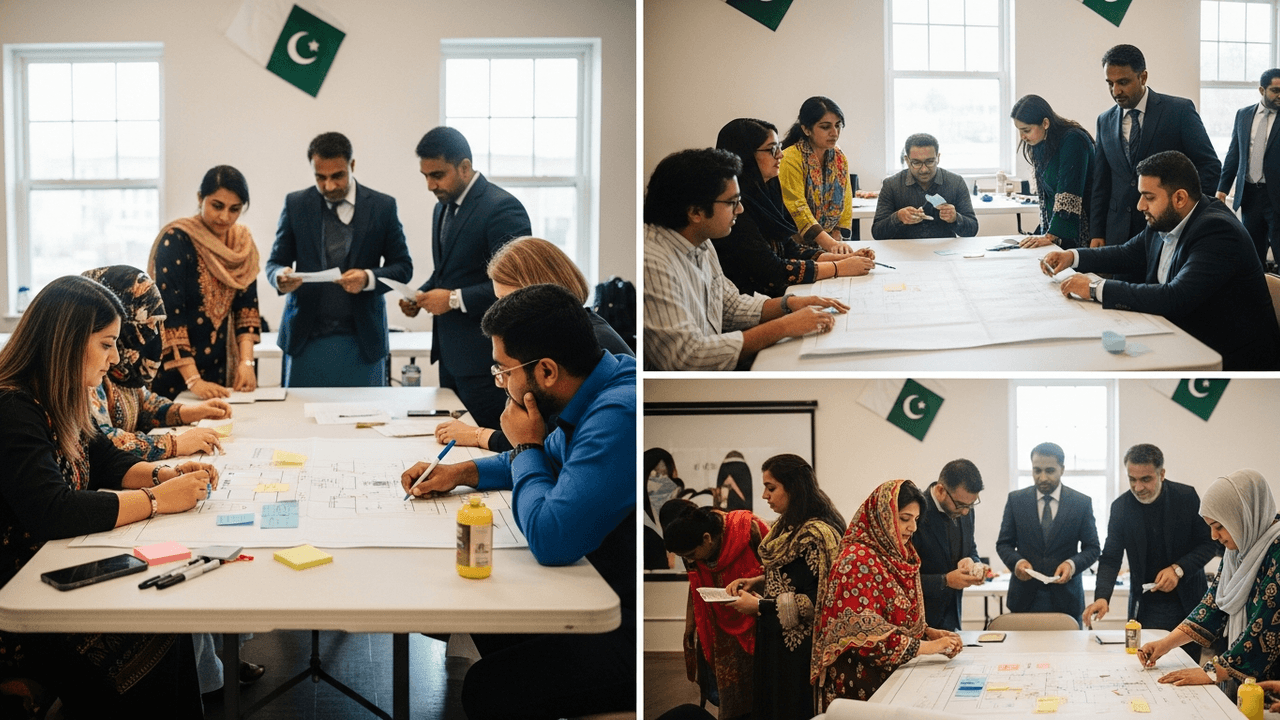
Every successful PASOR event begins as an idea and transforms through careful planning into a memorable community experience. Understanding this journey reveals the dedication and teamwork behind what might seem effortless.
The Spark: Identifying Community Needs
Events begin with recognizing needs:
- Health concerns requiring attention
- Cultural celebrations to honor
- Educational gaps to fill
- Community connection opportunities
Initial Planning Phase
Concept Development: Defining event purpose and scope.
Feasibility Assessment: Can we execute this successfully?
Timeline Creation: Working backwards from event date.
Budget Planning: Estimating costs and identifying funding sources.
Building the Team
Successful events require diverse skills:
- Event coordinators managing logistics
- Volunteers handling operations
- Subject experts for content
- Marketing team for promotion
- Financial oversight for budget
Venue and Logistics
Location Selection: Finding appropriate spaces for expected attendance.
Date Setting: Avoiding conflicts, considering community schedules.
Vendor Coordination: Catering, equipment, supplies.
Permits and Insurance: Legal requirements covered.
Program Development
For health events:
- Speaker recruitment
- Content development
- Screening coordination
- Resource preparation
For cultural events:
- Performance scheduling
- Cultural programming
- Activity planning
- Decoration coordination
Marketing and Registration
Multi-Channel Promotion:
- Newsletter announcements
- Social media campaigns
- Community network outreach
- Personal invitations
Registration Management: Tracking attendance, managing capacity.
Week-Before Preparations
Final countdown activities:
- Confirming all vendors and speakers
- Preparing materials and supplies
- Volunteer briefing sessions
- Contingency planning for issues
Event Day Execution
Setup Operations: Early arrival, systematic setup.
Team Coordination: Clear roles and communication.
Guest Experience: Welcoming, guiding, engaging attendees.
Real-Time Problem Solving: Handling unexpected issues smoothly.
Post-Event Activities
Immediate Actions:
- Venue cleanup and restoration
- Thank-you messages to speakers and volunteers
- Initial feedback collection
- Social media sharing of highlights
Follow-Up:
- Detailed evaluation meeting
- Impact documentation
- Lessons learned recording
- Planning improvements for future events
Success Metrics
Events are evaluated on:
- Attendance vs. targets
- Program quality feedback
- Community impact achieved
- Budget adherence
- Volunteer satisfaction
Learning and Improving
Each event teaches lessons:
- What worked well to repeat
- What to improve next time
- New ideas generated
- Relationships built
Learn what to expect at our events.
Your Event Contribution
Want to help bring events to life? Volunteer with our event team.