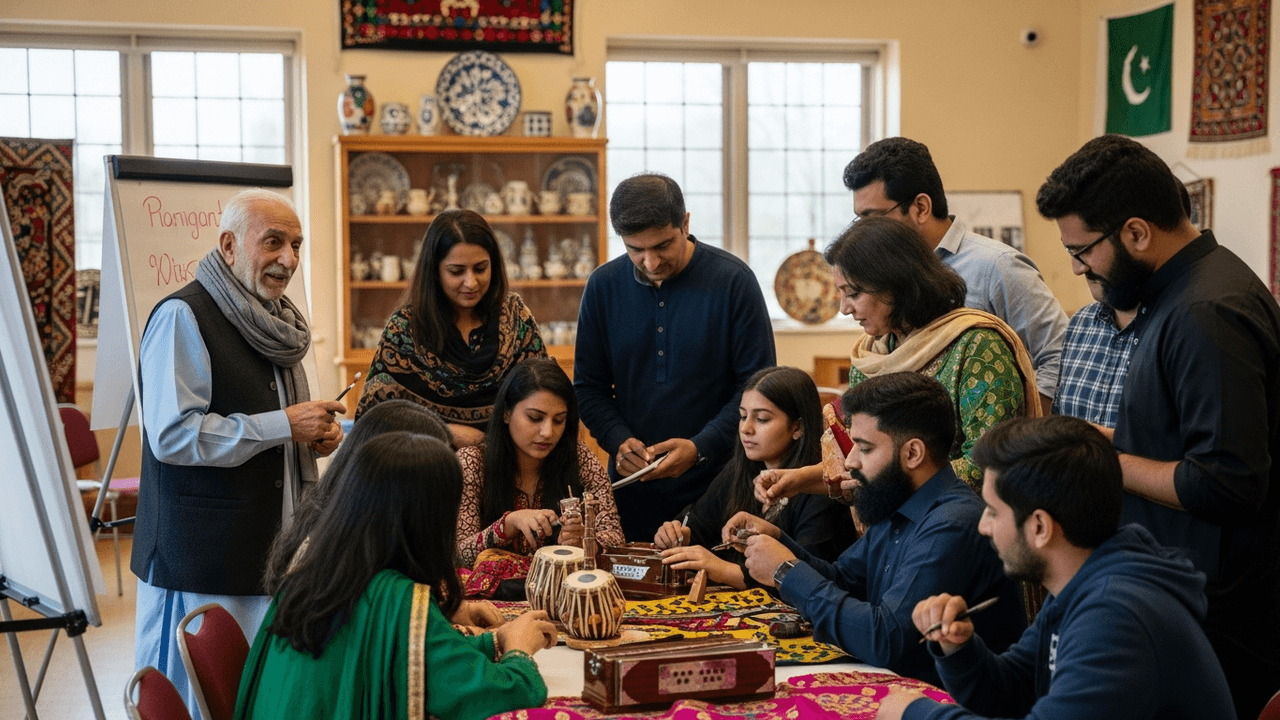
Cultural education is more than just a subject in school; it shapes how you see the world. By embracing different traditions and histories, you gain a deeper understanding of your own identity. This connection not only fosters empathy but also builds bridges between diverse communities. However, implementing effective cultural education isn't without its challenges. So, what can be done to ensure that our heritage is preserved for future generations?
What Is Cultural Education and Why Is It Important?
Cultural education encompasses the knowledge and understanding of diverse cultures, traditions, and perspectives, and it’s crucial for fostering empathy and global awareness.
It helps you appreciate the richness of human experience, encouraging you to see the world through different lenses. When you engage with various cultural narratives, you develop a deeper understanding of social dynamics and historical contexts.
This awareness not only enriches your personal life but also prepares you for a more interconnected world. You’ll find that learning about other cultures can challenge stereotypes, dismantle prejudices, and promote inclusivity.
Embracing cultural education empowers you to build stronger relationships and navigate complexities in an increasingly globalized society.
Ultimately, it cultivates a sense of shared humanity that’s essential for harmonious coexistence.
How Cultural Education Fosters Identity and Belonging
Understanding diverse cultures not only enriches your perspective but also plays a vital role in shaping your identity and sense of belonging.
When you explore different traditions, languages, and histories, you start to see reflections of yourself and your experiences. This connection fosters pride in your heritage and helps you appreciate the similarities and differences among communities.
Engaging with various cultural expressions allows you to find common ground with others, strengthening social bonds. You feel more comfortable and valued as you share your own cultural stories, creating a sense of unity.
Ultimately, cultural education empowers you to embrace who you're while fostering empathy and respect for others, contributing to a richer, more inclusive society.
Practical Ways to Implement Cultural Education in Schools
While traditional curricula often focus on core subjects, integrating cultural education into schools can enhance students' learning experiences and promote inclusivity.
Start by incorporating diverse literature into your reading lists, showcasing authors from various backgrounds. Organize cultural exchange days where students can share traditions, food, and stories from their heritage.
Encourage collaborative projects that explore local history and cultural contributions, allowing students to engage with their communities. Invite guest speakers from diverse cultures to share their experiences and insights.
Use art and music classes to explore different cultural expressions, fostering creativity and appreciation.
Related: The Role of PASOR in Community Service and Outreach
Finally, train teachers on cultural competency to ensure they can effectively support and engage all students, creating an environment where every culture is valued and respected.
How Cultural Education Enhances Understanding of Diversity
When students engage with diverse cultures through education, they gain a deeper appreciation for the richness of human experiences.
Exposure to different traditions, languages, and worldviews broadens their perspectives, encouraging critical thinking and open-mindedness.
You’ll notice that when students learn about various cultural practices, they begin to understand the complexities of identity and the importance of inclusivity.
This awareness fosters respect and curiosity, helping students recognize the similarities and differences among people.
As they explore cultural stories and histories, they develop connections that transcend superficial differences.
Ultimately, cultural education empowers students to navigate a multicultural world, equipping them with the skills needed to collaborate and communicate effectively with individuals from diverse backgrounds.
The Importance of Heritage Understanding for Developing Empathy
Heritage plays a crucial role in shaping who we are, and by exploring our own backgrounds as well as those of others, you can develop a deeper sense of empathy.
Understanding diverse cultural narratives helps you appreciate the struggles and triumphs that define different communities. When you learn about traditions, values, and histories, you begin to see the world through others' eyes.
This perspective fosters compassion, allowing you to connect with people on a more meaningful level. You’ll find that empathy isn’t just about feeling sorry for someone; it’s about recognizing shared human experiences.
As you engage with various heritages, you’ll cultivate a more inclusive mindset, enriching your relationships and broadening your understanding of the world around you.
Encouraging Intergenerational Dialogue Through Cultural Education
Cultural education serves as a bridge between generations, fostering meaningful conversations that enrich understanding.
By engaging with elders and younger individuals, you can share traditions, stories, and values that shape your community. These interactions create a space for empathy and respect, allowing you to appreciate different perspectives and experiences.
When you explore cultural practices together, you not only learn but also strengthen familial and community bonds. Encourage discussions about heritage and personal experiences during family gatherings or community events.
Related: Building a Stronger Pakistani American Community in Rochester
Ask questions, listen actively, and share your own insights. This dialogue not only preserves cultural identity but also empowers both young and old to participate in a shared narrative, ensuring that valuable lessons and traditions continue to thrive for future generations.
Challenges in Cultural Education Implementation
While intergenerational dialogue enriches our understanding of traditions and values, implementing effective cultural education can come with its own set of challenges.
You might encounter resistance from those who don’t see the value in cultural education or fear it’ll disrupt their established norms. Resources like funding, trained educators, and materials can be scarce, making it tough to create engaging programs.
Additionally, balancing diverse cultural perspectives within a curriculum can lead to conflicts or misunderstandings among participants. You may also face logistical issues, such as scheduling conflicts between generations.
It’s crucial to recognize these obstacles and work collaboratively to overcome them, ensuring that cultural education remains a vital part of your community’s heritage and identity.
How Cultural Education Brings Communities Together
When communities embrace cultural education, they create a powerful platform for connection and understanding. You’ll find that sharing traditions, stories, and experiences fosters a sense of belonging among diverse groups.
Through workshops, festivals, and collaborative projects, you engage with others, breaking down barriers and building relationships. This shared learning enriches everyone’s lives, allowing you to appreciate different perspectives and histories.
As you explore various cultures, you’ll discover common values and interests, which strengthen community bonds. Additionally, cultural education encourages empathy and respect, essential ingredients for harmony.
When you participate in cultural exchanges, you not only preserve heritage but also cultivate a vibrant, inclusive community. Together, you can celebrate differences and create a brighter future rooted in shared understanding.
Future Directions for Cultural Education and Heritage Preservation
As communities look to the future, embracing innovative methods in cultural education and heritage preservation becomes essential.
You can leverage technology, like virtual reality and digital storytelling, to engage younger generations with their heritage. Collaborating with local artists and historians can create immersive experiences that spark interest and connection.
Encouraging participation in cultural festivals and workshops fosters community pride and awareness. Schools should integrate cultural education into their curriculums, ensuring students learn about their roots and diverse histories.
Moreover, using social media platforms allows you to share stories and traditions with a global audience, making cultural preservation a collective effort.
Conclusion
Incorporating cultural education into our lives isn't just beneficial; it's essential. By embracing diverse histories and traditions, you're helping to create a more empathetic and understanding world. This journey fosters a sense of belonging and unity within communities, allowing everyone to appreciate their shared heritage. As you advocate for cultural education, you're not only preserving the past but also shaping a brighter future where respect and appreciation for diversity thrive. Let's commit to this vital mission together.