Navigating your identity as a second-generation Pakistani American can feel like walking a tightrope. You honor your family's rich traditions while trying to fit into American culture. Balancing these aspects often leads to internal conflicts about expectations and personal desires. As you navigate through holidays and cultural events, you might find yourself questioning how to forge your unique path. What does it mean to truly embrace both worlds without losing yourself in the process?
Exploring the Complexities of Dual Heritage in Pakistani Americans
As you navigate life as a second-generation Pakistani American, you might find yourself balancing two distinct cultural identities. Embracing your Pakistani heritage while integrating into American culture can feel like walking a tightrope.
You might celebrate Eid with family, donning traditional attire, and savoring homemade biryani, while also enjoying Thanksgiving with friends, feasting on turkey. This duality can lead to moments of confusion, as you may struggle to satisfy both cultural expectations.
You might experience a sense of belonging in one community that contrasts sharply with the other. Yet, this complexity enriches your identity, allowing you to draw from both worlds.
Ultimately, you can craft a unique narrative that honors your roots while also embracing the American experience.
The Role of Family Expectations in Identity Formation
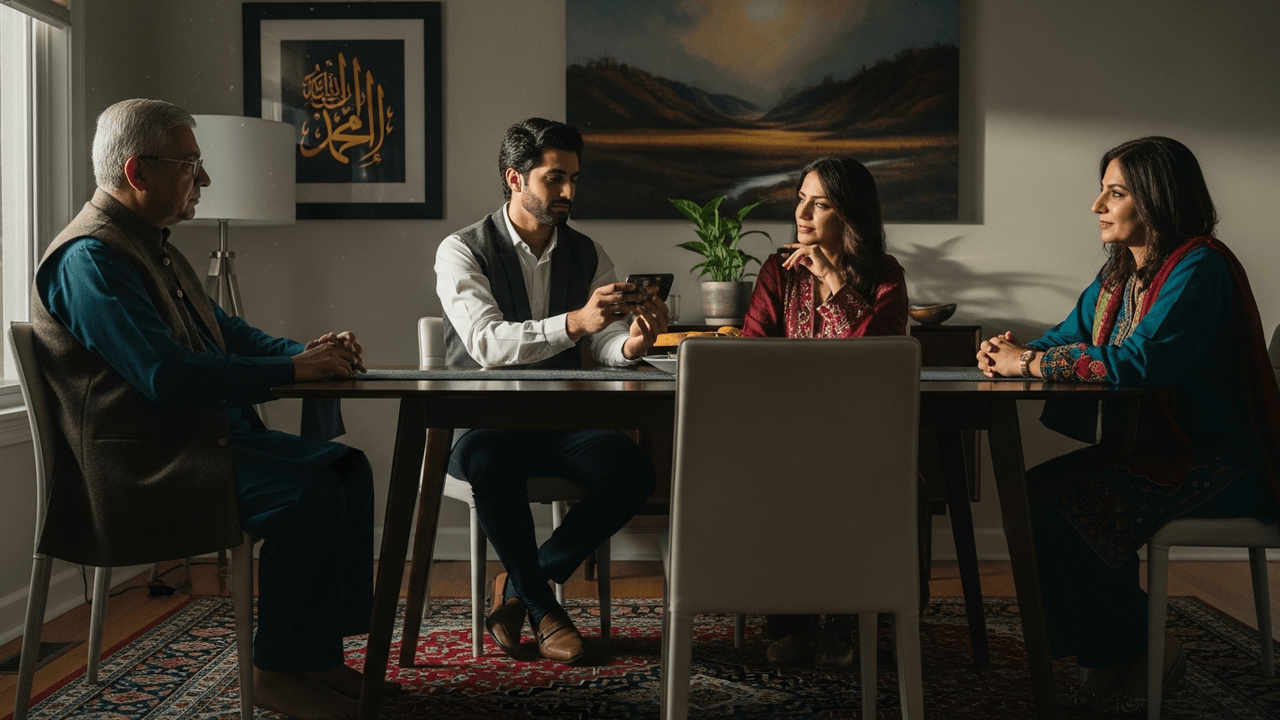
Balancing your dual heritage often brings family expectations into sharp focus. You might feel pressure to uphold your family's traditions while also carving out your own identity in America.
These expectations can shape your choices, affecting your education, career path, and even relationships. Your parents may envision a certain future for you, reflecting their values and experiences. This can lead to internal conflict as you navigate between honoring their wishes and pursuing your passions.
It's essential to communicate openly with your family about your desires and fears. By doing so, you can create a space for understanding, allowing you to blend your cultural roots with your personal aspirations.
Finding this balance is key to forming a cohesive identity that truly represents you.
Balancing Cultural Traditions With American Values
While navigating your identity as a second-generation Pakistani American, you often find yourself at the crossroads of cultural traditions and American values.
You cherish your family’s customs, from celebrating Eid with vibrant gatherings to enjoying traditional meals that connect you to your roots.
Yet, you also embrace the freedoms and opportunities that American life offers.
Related: Connecting Culture, Service, and Community in Rochester Through PASOR
You might find yourself torn between attending a cousin’s wedding and a friend’s graduation party, each event representing different aspects of your identity.
It’s crucial to strike a balance.
You can honor your heritage while integrating into your American surroundings.
Understanding Stereotypes and Misconceptions Faced by Pakistani Americans
Though many people may have preconceived notions about Pakistani Americans, understanding these stereotypes can help bridge the gap between cultures.
You might encounter assumptions that all Pakistani Americans are either overly conservative or involved in extremist activities. These stereotypes paint a narrow picture, ignoring the diverse lives and values within the community.
Misconceptions often arise from media portrayals that sensationalize negative aspects while overlooking positive contributions.
It’s crucial to recognize that Pakistani Americans are as varied as any other group, with unique experiences, ambitions, and beliefs.
Building Community Connections Among Second-Generation Pakistani Americans
Stereotypes can often create a sense of disconnection, making it harder for second-generation Pakistani Americans to find their place in both their cultural heritage and broader society.
To build community connections, you can start by engaging with local cultural organizations or attending events that celebrate Pakistani traditions.
Join social media groups where you can meet others who share your experiences and interests.
Collaborating on community projects can also foster deeper relationships and strengthen your sense of belonging.
Don’t hesitate to share your own story; it could resonate with someone else.
How Language Shapes Identity and Belonging
How does language influence your sense of identity and belonging as a second-generation Pakistani American?
Related: Building a Stronger Pakistani American Community in Rochester
Language acts as a bridge between your cultural heritage and your everyday life. Speaking Urdu or Punjabi at home connects you to your family's roots, fostering a sense of belonging.
When you switch between English and your native language, you navigate different worlds, balancing your American upbringing with your Pakistani heritage. This bilingual experience enriches your identity, allowing you to engage deeply with both cultures.
It’s in those moments of language exchange—whether at family gatherings or community events—that you feel the warmth of shared experiences.
Embracing your native language not only honors your roots but also strengthens your connection to your community and identity.
Celebrating Cultural Pride in Arts as a Second-Generation Pakistani American
Language not only connects you to your roots but also serves as a powerful tool for expressing cultural pride through the arts.
Whether you’re painting, dancing, or writing, you can weave elements of your heritage into your creations. You might find inspiration in traditional patterns, folk stories, or vibrant colors that reflect your Pakistani roots.
Participating in cultural festivals or art shows allows you to showcase your work, connecting with others who share similar experiences. Embracing your identity through artistic expression can foster a sense of belonging and community.
Each brushstroke or note of music carries your story, celebrating the richness of your culture while paving the way for future generations to appreciate and honor their heritage.
Embracing a Unique Identity: Personal Stories and Experiences
As you navigate your identity as a second-generation Pakistani American, your personal stories and experiences shape a unique narrative. You often find yourself balancing cultural expectations with a desire for individuality.
Maybe you recall family gatherings filled with laughter, delicious biryani, and tales of your parents’ homeland. Yet, you also cherish moments with friends who share your love for hip-hop or indie films. These contrasts enrich your identity, allowing you to embrace both cultures.
You’ve faced challenges—questions about your “authenticity” or feeling caught between worlds. But each experience deepens your connection to your heritage while carving out your own path.
Ultimately, you celebrate this blend, realizing it's not about fitting into one box; it’s about creating your own unique space.
Conclusion
Navigating your identity as a second-generation Pakistani American is a journey filled with rich experiences and challenges. By honoring your cultural heritage while embracing American values, you craft a unique narrative that reflects both worlds. Balancing family expectations and personal passions helps shape your resilience and sense of belonging. As you connect with your community and celebrate your roots, you’ll continue to build a vibrant identity that bridges cultures and inspires others on a similar path.