
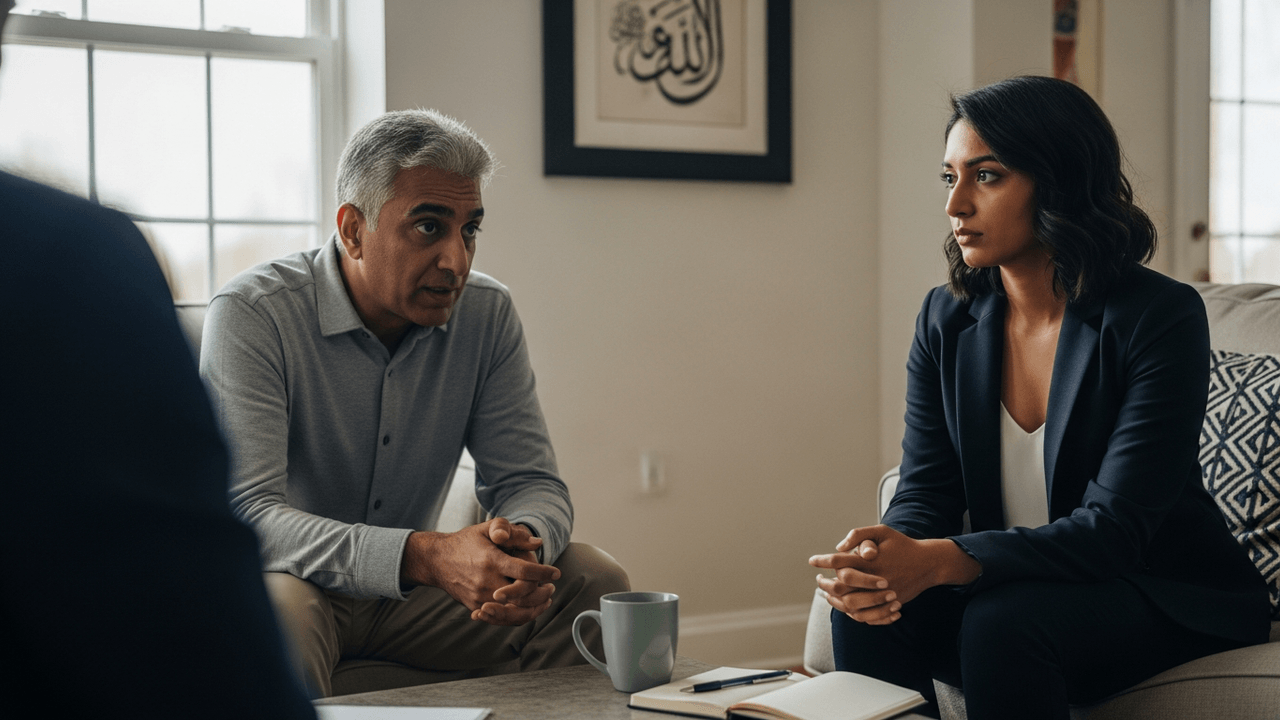
Mental health is a crucial aspect of overall well-being, yet many in the Pakistani American community hesitate to acknowledge it. You might find that cultural stigma plays a significant role in this reluctance. It's often seen as a weakness or a sign of failing faith. But what if challenging these misconceptions could lead to healthier conversations? Understanding the unique challenges faced by your community could be the first step towards breaking this cycle.
Understanding Mental Health: Definitions and Importance
Understanding mental health is crucial, especially in the Pakistani American community, where cultural beliefs can shape perceptions and attitudes.
Mental health refers to your emotional, psychological, and social well-being. It affects how you think, feel, and act, influencing how you handle stress, relate to others, and make choices.
Recognizing the importance of mental health helps you understand that it’s just as vital as physical health. This awareness encourages you to seek help when needed, fostering a supportive environment for open discussions about mental well-being.
By acknowledging mental health’s significance, you can challenge stereotypes and stigma, paving the way for better understanding and acceptance within your community.
Ultimately, promoting mental health leads to a healthier, happier life for everyone involved.
Unique Challenges Faced by Pakistani Americans
While navigating life in the United States, Pakistani Americans often face unique challenges that can significantly impact their mental health. You may encounter cultural dissonance, feeling torn between traditional values and modern American society. This struggle can lead to identity issues, especially among younger generations.
Additionally, the pressure to succeed academically or professionally can be overwhelming, leaving you feeling anxious or inadequate. Discrimination and stereotyping can further complicate your experience, contributing to feelings of isolation.
Balancing familial expectations with personal aspirations might also create internal conflict. The lack of culturally competent mental health resources means you might hesitate to seek help, fearing that your struggles won’t be understood.
These factors combined make it crucial to address the unique hurdles you face in this community.
Cultural Stigma Surrounding Mental Health in Pakistan
Cultural stigma surrounding mental health in Pakistan often complicates the challenges you face as a Pakistani American. Many in your community view mental health issues as a sign of weakness or a lack of faith, leading to silence and shame.
You might find it difficult to discuss your struggles openly, fearing judgment or alienation from family and friends. This stigma can prevent you from seeking help, leaving you feeling isolated.
The belief that mental health problems can be solved through willpower or prayer often overshadows the need for professional support.
As you navigate your identity, breaking this stigma becomes essential. By fostering conversations around mental health, you can help create a safer space for yourself and others in your community.
Related: Building a Stronger Pakistani American Community in Rochester
Common Misconceptions About Mental Health Among Pakistani Americans
Many Pakistani Americans hold misconceptions about mental health that can hinder their well-being. You might think that seeking help means you're weak or that mental illness is a sign of personal failure. This stigma can prevent you from reaching out for support.
Some believe mental health issues only affect certain people, but they can impact anyone, regardless of background. You may also assume that talking about problems will bring shame to your family, but open conversations can actually foster understanding and healing.
Additionally, many think that mental health isn’t as important as physical health, but neglecting your mental health can lead to serious consequences. It's essential to challenge these misconceptions and prioritize your mental well-being.
How Family and Society Shape Our Mental Health
Family and society play a crucial role in shaping your mental health, influencing how you perceive and respond to stressors in life.
In the Pakistani American community, traditional values often emphasize collectivism, which can create both support and pressure. You might feel the weight of expectations from family to succeed, leading to stress and anxiety. On the other hand, strong family ties can provide emotional support during tough times.
Society also plays a part; stigma surrounding mental health can discourage you from seeking help. Understanding these dynamics is essential.
Overcoming Mental Health Struggles: Personal Stories
Navigating mental health struggles can feel daunting, especially when the pressure from family and society weighs heavily on you. You might find solace in sharing your story with others who’ve faced similar challenges.
Take Amina, for example, who battled anxiety for years. By opening up to friends, she discovered a support network that helped her embrace her feelings rather than hide them.
Or consider Omar, who turned to journaling to process his emotions after feeling overwhelmed by expectations. These personal journeys show that vulnerability can lead to strength.
By sharing your experiences, you not only help yourself heal but also inspire others in the Pakistani American community to seek help and break the stigma surrounding mental health.
You're not alone in this fight.
Mental Health Resources for Pakistani Americans
While it might feel isolating to seek help, there are numerous mental health resources available specifically for Pakistani Americans.
Many community organizations offer culturally sensitive counseling services, recognizing the unique challenges you may face. Online platforms provide access to therapists who understand your cultural background and can address mental health issues effectively.
You can also find support groups that connect you with others who share similar experiences, helping to reduce feelings of isolation. Additionally, local mosques or community centers often host workshops and events focused on mental wellness.
Don't hesitate to explore these resources; they’re designed to empower you on your journey toward better mental health. Remember, reaching out is a brave step toward healing and support.
Advocates and Organizations Fighting Mental Health Stigma
Stigma around mental health can feel like an invisible barrier, preventing many in the Pakistani American community from seeking help.
Fortunately, several advocates and organizations are working tirelessly to dismantle these barriers. Groups like the Pakistani American Mental Health Initiative and the South Asian Mental Health Alliance are leading the charge, offering resources, support, and education.
They aim to raise awareness about mental health issues while promoting open conversations within the community. By hosting workshops, seminars, and support groups, these organizations empower individuals to share their stories and challenges, reducing feelings of isolation.
Their efforts create safe spaces where you can feel understood and validated, paving the way for a healthier dialogue about mental health in your community.
Strategies to Combat Mental Health Misconceptions
Understanding mental health is the first step toward breaking down misconceptions that can hold the Pakistani American community back. Start by educating yourself and others about mental health issues, recognizing that they're real and treatable.
Share accurate information through community workshops or social media campaigns to raise awareness. Encourage open conversations within families and friend circles to normalize discussions about mental health.
Challenge harmful stereotypes by highlighting positive stories of recovery, showing that seeking help is a sign of strength, not weakness. Collaborate with local mental health professionals to dispel myths and create culturally sensitive resources.
Building a Supportive Community for Mental Health
Creating a supportive community for mental health is essential, especially in the Pakistani American community, where cultural barriers can often hinder open discussions.
You can play a crucial role by fostering an environment where everyone feels safe to share their experiences. Start by organizing community events that focus on mental health awareness, inviting speakers who can provide insights and share personal stories.
Encourage dialogue among family and friends to normalize conversations about mental well-being. Support local mental health initiatives and advocate for accessible resources, like counseling services.
Conclusion
In conclusion, breaking the stigma surrounding mental health in the Pakistani American community is vital for fostering open conversations and promoting healing. By challenging misconceptions and embracing culturally competent resources, you can create a supportive environment that prioritizes mental well-being. Remember, seeking help isn’t a sign of weakness; it’s a courageous step toward a healthier life. Together, let’s cultivate empathy and understanding, ensuring everyone feels safe to share their struggles and seek the support they deserve.