
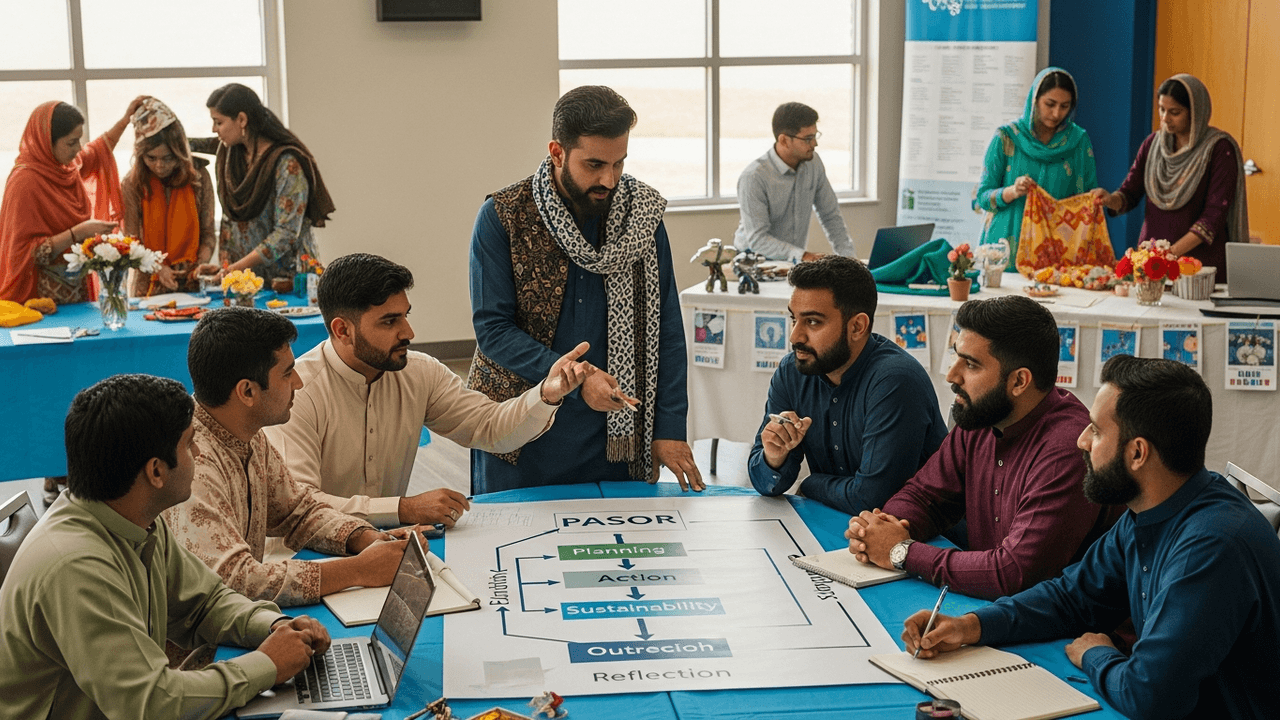
Hosting a community event can be a rewarding experience, but it requires careful planning and execution. By using the PASOR framework, you can effectively address community issues while engaging attendees. Start by identifying a pressing problem that resonates with your audience. From there, you’ll want to explore the benefits of participation and outline actionable steps for success. What comes next is where the real magic happens, so let’s explore how to bring your vision to life.
How to Host a Successful Community Event Using PASOR
When it comes to hosting a successful community event, using the PASOR framework can make all the difference.
First, identify the Problem your community faces; this sets the stage.
Next, highlight the Advantages of addressing this issue, creating a compelling reason for participation.
Then, outline the Solution you’re proposing, ensuring it’s clear and actionable.
After that, emphasize the Outcomes your event will bring, painting a vivid picture of the benefits attendees will experience.
Finally, ensure you have a clear Roadmap, detailing how everything will unfold during the event.
This structured approach not only keeps you organized but also engages your audience, making them feel invested in the event's success and encouraging them to take action.
Set Clear Goals for Your Event: What Do You Hope to Achieve?
What do you hope to achieve with your community event? Setting clear goals is essential for guiding your planning and ensuring your event's success. Start by identifying your primary objectives—are you looking to raise awareness, foster connections, or gather donations?
Clear goals help you focus your efforts and resources effectively. Consider your target audience and what you want them to take away from the event. Do you want them to feel more engaged with the community, learn something new, or simply have fun?
Once you've defined your goals, communicate them to your team and volunteers. This alignment will keep everyone motivated and on track, ultimately helping you measure your event's success against the goals you set.
Choose the Perfect Venue for Your Community Event
With your goals clearly defined, it’s time to find the right venue that aligns with your event’s objectives.
Start by considering the size of your expected audience—ensure the space can comfortably accommodate everyone.
Think about accessibility; choose a location that’s easy for attendees to reach and offers suitable parking or public transport options.
Related: Building a Stronger Pakistani American Community in Rochester
If your event requires specific amenities, like AV equipment or catering facilities, make sure the venue can provide these.
Also, take into account the atmosphere you want to create—whether it’s formal, casual, or community-focused.
Finally, don’t forget to check the venue’s availability and costs to ensure it fits your budget.
Choosing the right venue sets the stage for a successful event.
Assemble Your Event Team: Who Needs to Be Involved?
As you plan your community event, assembling the right team is crucial for its success. Start by identifying key roles you'll need, such as an event coordinator to oversee logistics and a marketing lead to promote your event.
Don’t forget to recruit volunteers who can help with setup, registration, and day-of tasks. It's also beneficial to include someone with experience in community engagement, as they can connect you with local resources and participants.
Depending on your event's nature, consider inviting local businesses or organizations to partner with you, as they can offer valuable support and expertise.
Lastly, ensure you have a designated person to handle communications, keeping everyone informed and aligned as the event approaches.
Create a Smart Budget for Your Community Event
Creating a smart budget for your community event is essential to ensure you’re financially prepared and can maximize resources effectively.
Start by listing all potential expenses, including venue rental, supplies, permits, and marketing. Don’t forget to account for unexpected costs—set aside a contingency fund.
Next, estimate your income sources, such as ticket sales, sponsorships, and donations. Be realistic about what you can achieve and adjust your expenses accordingly.
Prioritize essential items over nice-to-haves, ensuring your event remains within budget. Regularly review your budget as planning progresses, making adjustments as needed.
Promote Your Community Event: Effective Outreach Strategies
To successfully promote your community event, you need to employ a mix of outreach strategies that resonate with your audience.
Start by leveraging social media platforms, creating engaging posts that highlight event details, and encouraging shares.
Don't underestimate the power of local press; send out press releases to newspapers and community blogs for coverage.
Flyers and posters in popular local spots can also grab attention.
Email newsletters are effective too—reach out to your mailing list with event information and a personal touch.
Collaborate with local influencers or community leaders to amplify your message.
Lastly, consider hosting a pre-event teaser or countdown to build excitement.
The more people hear about your event, the more likely they’ll attend!
Engage Your Community: How to Foster Participation at Your Event?
Promoting your community event is just the beginning; engaging attendees once they're there is key to making it memorable.
Start by creating an inviting atmosphere where everyone feels welcome. Use icebreakers or fun activities to encourage interactions among participants.
Consider hosting workshops or panel discussions that cater to diverse interests, making sure to include local voices and talent.
Utilize social media during the event to share moments in real-time, prompting attendees to engage online.
Offer incentives like prizes or recognition for participation to boost involvement.
Lastly, gather feedback through surveys or informal chats to understand what resonated with your audience.
Measure Event Success: Key Metrics to Evaluate
While planning a community event can be exciting, measuring its success is essential for future improvements. Start by tracking attendance numbers; knowing how many people showed up helps you gauge interest.
Next, use surveys to gather feedback on participants’ experiences. This gives you insights into what worked and what didn’t. You should also monitor engagement levels during the event, like participation in activities or discussions.
Additionally, consider assessing social media interactions to see how your event resonated online. Lastly, analyze the financial aspects, including costs versus revenue, to evaluate profitability.
Conclusion
In conclusion, hosting a successful community event using the PASOR framework can truly make a difference. By identifying a pressing issue, showcasing the benefits of participation, and presenting a clear action plan, you’ll inspire your community to get involved. With careful planning, effective promotion, and engaging activities, you’ll create an event that not only addresses local concerns but also fosters a sense of unity and purpose. So, roll up your sleeves and bring your community together!