When you think of chai in Pakistan, it’s easy to see it as just another beverage. But it’s much more than that. It’s about the warmth of shared moments and the richness of tradition. Each cup tells a story, reflecting personal and cultural ties. As you explore the intricate layers of chai culture, you’ll uncover how it shapes connections and rituals in daily life. What makes this drink such a powerful symbol of community?
Why Chai Is Deeply Rooted in Pakistani History
Chai isn’t just a beverage in Pakistan; it’s a symbol of hospitality and cultural identity that’s woven into the nation’s fabric.
You’ll find that throughout history, chai has played a vital role in social gatherings, reflecting the warmth and generosity of the Pakistani people.
During the Mughal era, tea became a popular drink, elevating its status as a luxury item enjoyed by the elite.
As time went on, chai transitioned into a daily staple for everyone, transcending class boundaries.
When you sip chai, you're not just tasting a drink; you're experiencing a rich history and tradition.
This deep-rooted connection makes chai more than just tea; it’s an integral part of Pakistan’s cultural narrative that continues to thrive today.
Essential Ingredients That Make Pakistani Chai Unique
The magic of Pakistani chai lies in its carefully selected ingredients, each contributing to its distinctive flavor and aroma.
First, you’ll notice the strong black tea, typically Assam or Ceylon, which forms the base. This tea is often boiled with water and milk for a creamy consistency.
Next, you can’t forget the spices—cardamom, ginger, and sometimes cinnamon—each adds warmth and depth. Sweetness comes from sugar, balancing the bold flavors.
You might even encounter variations with cloves or black pepper for an extra kick. Don’t overlook the importance of fresh, quality ingredients; they elevate your chai experience.
Together, these elements create a comforting and aromatic drink that reflects the heart of Pakistani culture. Enjoy every sip!
Chai As a Symbol of Hospitality and Connection
Related: Connecting Culture, Service, and Community in Rochester Through PASOR
In Pakistani culture, serving chai is more than just offering a drink; it's an invitation to connect and bond.
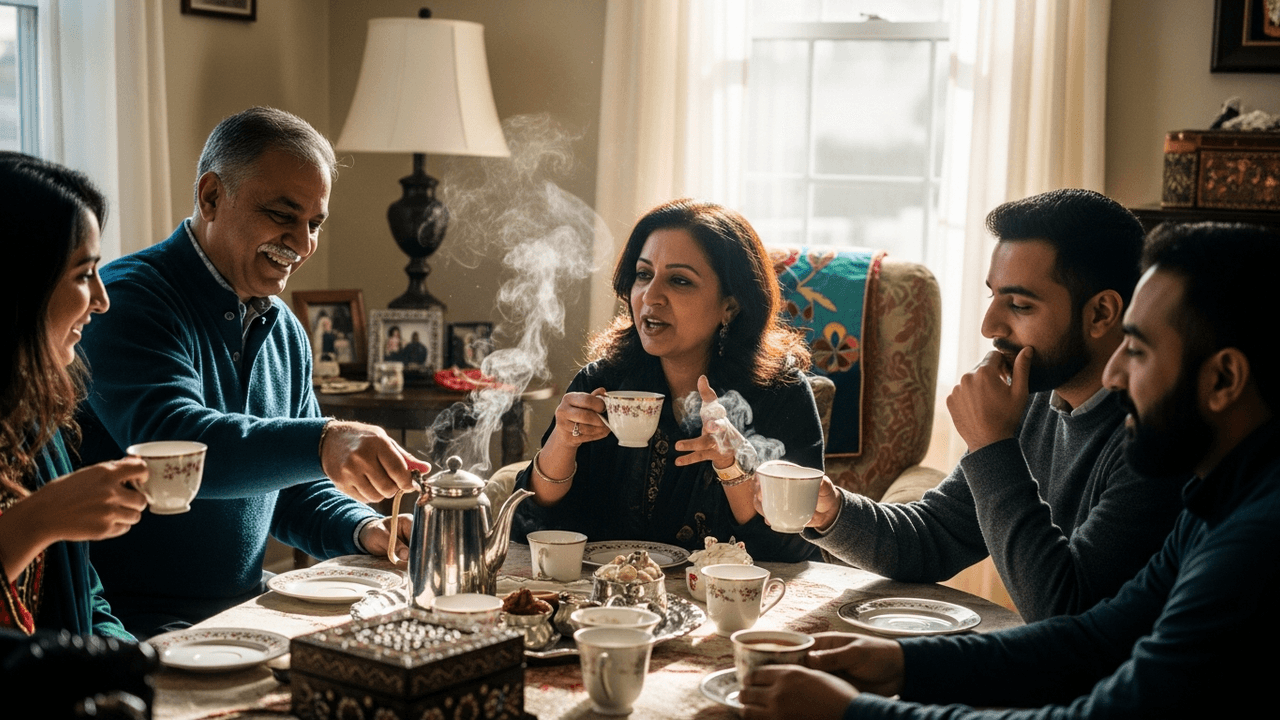
When you enter a home, the warm aroma of brewing chai envelops you, signaling hospitality. As you sip, conversations flow, and barriers fade. It’s in these moments that relationships deepen.
Whether it's a casual visit or a formal gathering, chai encourages dialogue and laughter, transforming strangers into friends. You’ll find that sharing a cup often leads to shared stories and experiences, making every sip memorable.
This simple act of serving chai goes beyond tradition; it reflects your values and warmth.
The Rituals and Traditions Surrounding Chai
Serving chai often sets the stage for various rituals and traditions that enrich the experience. When you gather with friends or family, you’ll often find a pot of simmering chai at the center.
You'll notice how the preparation itself becomes a shared activity, with everyone contributing in some way. As you sip, stories flow, laughter fills the air, and connections deepen.
In many households, chai time is a sacred ritual, marking the end of a long day or the beginning of a gathering.
You might also witness unique variations, like adding spices or even a dash of salt, each family having its own secret recipe. It's more than just a drink; it's a moment to connect, share, and create lasting memories.
Finding the Best Chai: Street Vendors or Home Brews?
Which tastes better: the rich, aromatic chai from a bustling street vendor or the comforting brew made at home? You might find both appealing, each offering a unique experience.
Street vendors often serve chai that’s bold and infused with spices, creating an invigorating flavor that captures the hustle and bustle of life. Their secret blends and techniques can surprise your palate.
On the other hand, making chai at home lets you customize every ingredient. You can tweak the sweetness, adjust the spice level, and even choose organic tea leaves. This personal touch brings warmth and nostalgia, making each cup a reflection of your taste.
Ultimately, the choice between street chai and homemade brew comes down to your mood and craving for convenience versus comfort.
How Chai Remains a Daily Staple in Modern Pakistan
Although life in modern Pakistan moves at a rapid pace, chai remains a beloved daily ritual for many. You’ll find people sipping it in homes, offices, and bustling streets. For many, that first cup in the morning kickstarts the day, while afternoon chai serves as a comforting break from busy routines.
Related: How PASOR Strengthens Pakistani American Families in Rochester
Friends and family often gather around steaming cups, sharing stories and laughter, reinforcing social bonds. As urban lifestyles evolve, chai culture adapts too; you might even see trendy cafes putting their spin on this traditional drink.
Yet, whether it’s a simple cup brewed at home or a fancy café specialty, chai continues to be an essential part of daily life, connecting generations and communities across the country.
Chai In Celebrations: Cultural Significance and Gatherings
When you think of celebrations in Pakistan, chai often takes center stage, weaving its way into the fabric of every gathering. Whether it’s a wedding, a family reunion, or a festive Eid celebration, serving chai is a cherished custom.
You’ll notice how it brings people together, sparking conversations and laughter. The aroma fills the air, creating a warm atmosphere that invites everyone to relax and enjoy each other’s company.
Chai isn’t just a drink; it symbolizes hospitality and community. As you share a cup, you connect with loved ones, creating lasting memories.
No celebration feels complete without this beloved beverage, reminding you that joy is best savored together, one sip at a time.
Regional Variations of Chai: What Makes Each Unique?
Have you ever wondered how chai varies across Pakistan's diverse regions?
In Punjab, you’ll find a sweeter chai, often brewed with milk and sugar, creating a rich, creamy texture.
Meanwhile, in Sindh, they add spices like cardamom and ginger, giving it a warming kick.
If you head to Khyber Pakhtunkhwa, you’ll encounter a unique style called "peshawari chai," which incorporates crushed nuts for a nutty flavor and a pink hue.
In Balochistan, chai is often stronger, served with less milk, allowing the tea's robust flavor to shine.
Each region’s chai reflects its culture and traditions, making every cup a unique experience.
Conclusion
In Pakistan, chai is so much more than just a drink; it’s a way of life that connects you to friends, family, and your cultural roots. Whether you sip it in the morning or share it during celebrations, each cup tells a story. By embracing the rituals and flavors of chai, you’re not only enjoying a comforting beverage but also participating in a rich tradition that binds communities together. So, pour yourself a cup and savor the warmth it brings!